Parasailing on a Lake: Safety, Gear, Pricing & What to Expect for Your Adventure
What is parasailing on water called?
The Unique Experience of Water Parasailing
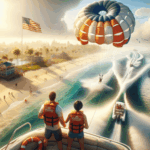
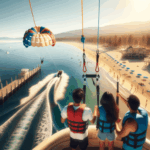
Parasailing on water is commonly referred to as water parasailing or aquatic parasailing. This exhilarating activity combines the thrill of flying with the serenity of being above open water. Participants are securely harnessed to a parachute, which is then towed by a boat, lifting them high into the sky. The vantage point from above provides breathtaking views and an unmatched sense of freedom, making it a must-try for adventure seekers visiting coastal destinations.
Essential Gear for Water Parasailing
To ensure a safe and enjoyable parasailing experience, certain gear is essential. Here’s what you typically need:
- Harness: A comfortable and secure harness is crucial for safety and ease of movement.
- Life Jacket: While parasailing is generally safe, a life jacket is a precautionary measure in case of unexpected water landings.
- Parasail Wing: The parachute-like canopy that lifts you into the air, typically made from durable and lightweight materials.
- Tow Line: A strong rope that connects the parasail wing to the boat, ensuring stability and control during the flight.
Weather and Safety Considerations
Weather plays a crucial role in the safety and enjoyment of water parasailing. Ideal conditions include clear skies, gentle winds, and calm waters. Before heading out, it’s important to check the local weather forecast and consult with your parasailing operator. Here are some safety measures to keep in mind:
- Always listen to the safety briefing provided by the parasailing staff.
- Ensure all gear is properly fitted and in good condition.
- Avoid parasailing during inclement weather, such as storms or high winds.
- Follow the instructions of the boat crew at all times.
Preparation Tips for a Smooth Experience
Preparing for your water parasailing adventure can enhance your overall experience. Consider these tips:
- Wear comfortable clothing that allows freedom of movement, such as swimwear or lightweight activewear.
- Apply sunscreen generously to protect against sunburn, especially since you’ll be exposed to direct sunlight.
- Remove any loose jewelry or accessories that could be lost during the flight.
- Stay hydrated and have a light meal beforehand to maintain energy levels.
By following these guidelines, you can ensure a memorable and safe water parasailing adventure, taking in the spectacular views from above and creating unforgettable memories.
Who should not do parasailing?
Health Considerations
While parasailing is an exhilarating experience, it may not be suitable for everyone. Individuals with heart conditions, high blood pressure, or severe vertigo should consult with a healthcare professional before considering parasailing. Pregnant women are also advised to avoid this activity due to potential risks associated with sudden movements and changes in altitude. Ensuring you are in good health is crucial for a safe and enjoyable experience.
Age and Weight Restrictions
Parasailing operators typically have age and weight restrictions to ensure safety. Children under a certain age, often around 6 years old, may not be allowed to participate. Additionally, there is usually a minimum weight requirement, often around 100 pounds, to ensure that the harness fits securely. On the other end, individuals exceeding a maximum weight limit, which can vary between 250 to 350 pounds depending on the operator, may also be restricted. Always check with the specific parasailing provider for their guidelines.
Weather Conditions and Safety Concerns
Weather plays a significant role in determining whether parasailing is safe. Those uncomfortable with unpredictable weather conditions or who have a fear of heights should reconsider participating. Operators will cancel or postpone trips during high winds, thunderstorms, or other adverse weather conditions to ensure passenger safety. It is essential to listen to and follow the instructions provided by the crew. Here are some key safety measures to consider:
- Ensure the operator has a certified and experienced crew.
- Inspect the quality of the equipment, including the harness and life jacket.
- Pay attention to the pre-flight briefing for safety protocols and emergency procedures.
Ready to Fly?
Discover the best parasailing locations across the U.S. and book your next unforgettable adventure.
Is water parasailing safe?
Understanding the Safety Gear
Water parasailing is an exhilarating activity, and the safety gear plays a crucial role in ensuring a secure experience. Every participant is equipped with a certified life jacket that is designed to keep you buoyant in the water. Additionally, a sturdy harness connects you to the parasail, providing both comfort and security. Before embarking on your adventure, make sure the operators conduct a thorough check of the parasailing equipment, including the towline and the parasail canopy, to ensure everything is in excellent condition.
Weather Conditions and Their Impact
The safety of water parasailing is significantly influenced by weather conditions. Operators typically monitor the weather closely and will not proceed if there are strong winds, storms, or other adverse weather patterns. Its important to plan your parasailing adventure on a day with clear skies and mild wind conditions. Tourists are advised to check the local weather forecast before booking and to remain flexible with their schedules, as safety should always take precedence over excitement.
Preparation and Safety Measures
To enhance the safety of your water parasailing experience, its vital to follow some essential preparation and safety measures. Heres a checklist to ensure youre ready for your adventure:
- Wear appropriate clothing such as swimwear or quick-dry clothes.
- Listen carefully to the safety briefing provided by the parasailing crew.
- Inform the operators of any health conditions that may affect your experience.
- Ensure that all safety equipment fits properly and is securely fastened.
Following these steps will help ensure a smooth and safe parasailing experience, allowing you to focus on the thrill and enjoyment of gliding above the water.
Do you go in the water for parasailing?
When it comes to parasailing, many travelers wonder if they need to take a dip in the water. The good news is that most parasailing experiences do not require you to enter the water at all. Typically, you will take off and land directly from the deck of the boat, ensuring a dry and comfortable experience. However, understanding the full scope of the activity can help you feel more prepared and at ease.
Understanding the Launch and Landing Process
In a standard parasailing excursion, the launch and landing are executed from the boat itself. Here’s how it works:
- Launch: You are securely harnessed to a parasail and attached to a winch system. As the boat accelerates, the parasail lifts you gently into the air.
- Flight: You will soar above the water, enjoying breathtaking views without getting wet.
- Landing: The boat crew gradually reels you back to the boat, allowing you to land smoothly and safely on the deck.
This process ensures that you remain dry, making it an excellent option for those who prefer to avoid water activities.
Weather Conditions and Safety Measures
While you typically stay dry during parasailing, certain weather conditions may affect your experience. Operators often monitor weather patterns closely to ensure a safe and enjoyable flight. Wind speeds and sea conditions are crucial factors that determine whether a parasailing excursion can proceed. In rare cases, if conditions change suddenly, you might experience a gentle dip in the water upon landing. However, such instances are uncommon, and safety protocols are always in place to manage them effectively.
Gear and Clothing Recommendations
Although you are not expected to enter the water, its wise to dress appropriately for the adventure. Consider these tips for your parasailing attire:
- Comfortable Clothing: Wear breathable, quick-dry clothing to stay comfortable throughout the experience.
- Footwear: Opt for water-friendly shoes or sandals that can be easily removed if needed.
- Sun Protection: Apply sunscreen and wear sunglasses with a strap to protect yourself from UV rays.
Being prepared with the right gear enhances your parasailing adventure, allowing you to focus on the excitement and stunning views without any worries about getting wet.